Automated Vendor Payments: How US Businesses Can Improve Payment Efficiency
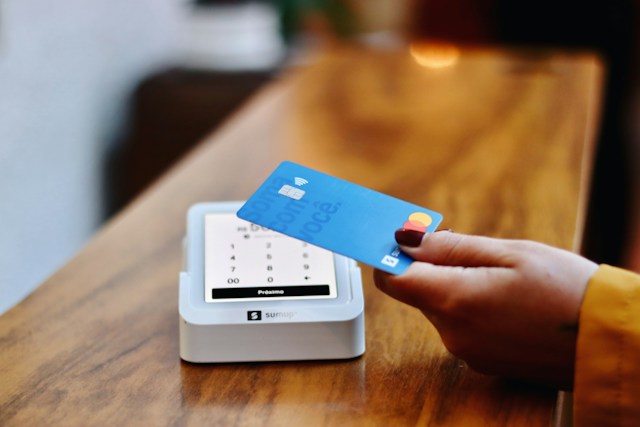
Automated vendor payments replace manual check writing with scheduled, rules-based payment runs, usually by ACH, virtual card, or instant payment, that pull approved invoices, pay them on the right date, send remittance details, and post back to your books. They improve efficiency by cutting manual steps, aligning payments with terms, capturing early-payment discounts, and reducing check fraud, while your team still approves and releases every run.
Key takeaways
- Paper checks are slow, costly, and the most targeted payment method; 58% of US organizations reported check fraud in 2025, according to AFP.
- Electronic options now cover almost every need: Same Day ACH handles payments up to $1 million, and instant-payment networks can handle up to $10 million, subject to your bank's own limits.
- Automate scheduling, payment-run building, remittances, positive pay files, and reconciliation, but keep payment release and bank-detail changes under human control.
- The hardest part is usually moving vendors off checks; run a structured vendor migration campaign with secure, verified bank-detail collection.
- Track the share of electronic payments, on-time payments, discounts captured, and payment exceptions to prove the improvement.
What are automated vendor payments?
Automated vendor payments are the part of accounts payable that turns approved invoices into money in your vendors' accounts with as little manual handling as possible. A typical automated setup:
- Pulls approved invoices from your accounting system or AP tool.
- Schedules each one for payment based on its terms and any early-payment discount.
- Builds a proposed payment run, grouped by payment method.
- Routes the run to an authorized person to review and release.
- Sends payments through your bank or payment platform.
- Emails remittance advice to each vendor showing what was paid.
- Posts the payments back to your books and supports bank reconciliation.
The key word is automated, not unattended. Automation removes the manual work between approval and payment; it shouldn't remove the human review that keeps payments safe.
Which vendor payment method should you use?
Most businesses end up using several methods, matched to the vendor and the payment.
| Method | Typical speed | Fraud exposure | Best for |
|---|---|---|---|
| Paper check | Days in the mail, plus clearing time | High: theft, alteration, and counterfeiting | Vendors who can't yet accept electronic payment |
| Standard ACH | Typically one to two business days | Lower, but exposed to bank-detail change fraud | Routine domestic vendor payments |
| Same Day ACH | Same business day, if submitted before your bank's cutoff | Similar to standard ACH | Urgent or late-approved payments up to $1 million |
| Wire transfer | Same day | High-value target; very hard to recall | Large, time-critical, or international payments |
| Virtual card | Fast; card is issued per payment | Lower; single-use card numbers limit exposure | Vendors that accept cards; may earn rebates |
| Instant payment (RTP or FedNow) | Seconds, around the clock | Irrevocable, so verification before sending is critical | Time-critical payments where your bank offers it |
A few notes on limits. Nacha raised the Same Day ACH per-payment limit to $1 million in March 2022. On the instant side, the Federal Reserve raised the FedNow network transaction limit to $10 million in November 2025, matching the $10 million limit on The Clearing House's RTP network. Your bank can set lower limits than the network maximum, so check what your accounts actually allow.
Why should businesses move vendor payments off paper checks?
Fraud. In the Association for Financial Professionals' 2026 Payments Fraud and Control Survey, 58% of US organizations said checks were subject to fraud in 2025, making checks the most targeted payment method, ahead of ACH debits (30%) and wires (25%).
Time and cost. Checks require printing, signing, mailing, tracking, and chasing when they don't arrive or aren't cashed. Uncashed checks also create stale-check and unclaimed-property work later.
Visibility. With checks, you don't know exactly when money leaves your account. Electronic payments settle on predictable dates, which makes cash forecasting easier.
Direction of travel. The federal government is moving the same way: under Executive Order 14247, Treasury stopped issuing paper checks for most federal disbursements from September 30, 2025, with limited exceptions. Many vendors are already set up to receive electronic payment as a result.
What should you automate, and what should stay manual?
| Automate | Keep under human control |
|---|---|
| Capturing each vendor's payment method and remittance email | Approving new vendors and any bank-detail change |
| Scheduling payments by due date and discount terms | Reviewing and releasing each payment run |
| Building the proposed payment run | Approving payments above a set threshold |
| Sending remittance advice | Reviewing the first payment to any new or changed bank account |
| Generating positive pay files for checks | Investigating payments flagged as unusual |
| Posting payments and matching them in bank reconciliation | Deciding which invoices to hold or prioritize when cash is tight |
The left column is where automation saves the most time. The right column is where fraud is stopped. If a tool or provider lets one person change a vendor's bank details and release a payment to them without any independent check, the setup is efficient in the wrong way.
8 controls every automated vendor payment process needs
- Separation of duties. The person who prepares a payment run doesn't release it.
- Dual approval for release, at least above a dollar threshold, using your bank's or payment platform's approval workflow.
- Independent verification of bank-detail changes. Call the vendor on a number already in your records, never one supplied in the change request.
- A hold on first payments to new or changed accounts until they've been reviewed.
- Positive pay for checks and ACH debit blocks or filters. Ask your bank which fraud services it offers for your accounts.
- Payment limits by user and by payment type.
- A documented fraud-monitoring process. Since June 19, 2026, Nacha's fraud-monitoring rules require all non-consumer ACH originators to have risk-based processes to identify payments that are unauthorized or made under false pretenses.
- Quarterly access reviews for your bank portal, payment platform, and AP system.
Our post on why outsourcing adds a layer of safety to AP fraud prevention covers several of these in more depth.
How do you implement automated vendor payments? A 7-step plan
- Map your current payments. List vendors by payment method, frequency, and annual spend. Identify the highest-volume check recipients.
- Choose your platform. Start with what your bank and accounting software already offer; many small and mid-sized businesses don't need a separate payments platform.
- Define your approval and release workflow in writing, including dollar thresholds and who can release payments.
- Run a vendor migration campaign. Ask your top check recipients to switch to ACH or card. Collect bank details through a secure method, and verify each one by phone before use.
- Set up remittance advice so vendors can match payments to invoices without calling you.
- Turn on bank fraud services such as positive pay and ACH debit filters.
- Go live in phases. Start with your highest-volume vendors, run a few cycles, then expand.
Which KPIs show payment efficiency is improving?
- Share of payments made electronically, by count and value.
- On-time payment rate.
- Early-payment discounts captured versus discounts offered.
- Payment exceptions, such as returns, rejected payments, and vendor inquiries about payment status.
- Time spent per payment run, from proposal to release.
- Fraud attempts caught, including blocked bank-change requests and positive pay exceptions.
Where does outsourcing fit?
Automation handles the mechanics of payment, but someone still has to keep vendor payment data clean, build accurate payment runs, chase remittance questions, run the vendor migration campaign, and reconcile payments afterward. That's routine, detail-heavy work an outsourced AP team can take on, while your team keeps approval and release. Our outsourced accounts payable services prepare payment runs inside your existing systems, and you release them through your own bank.
If you're in banking or another regulated financial-services business, our vendor payment automation guide for financial institutions covers the additional requirements in that environment.
Frequently asked questions
What are automated vendor payments?
Automated vendor payments are scheduled, rules-based payment runs that pull approved invoices, pay them electronically on the right date, send remittance details to vendors, and post the payments back to your books, with your team approving and releasing each run.
Is ACH or virtual card better for paying vendors?
Both are faster and safer than checks. ACH suits most routine domestic vendor payments, while virtual cards suit vendors that accept cards and can earn rebates, though some vendors pass on card fees. Many businesses use both.
What is the Same Day ACH limit?
Nacha's Same Day ACH per-payment limit is $1 million, in effect since March 2022. Your bank may set a lower limit and has its own submission cutoff times.
How do you stop fraud in automated vendor payments?
Separate payment preparation from release, require dual approval above a threshold, verify every bank-detail change by calling a known number, hold first payments to new accounts for review, and use bank fraud services such as positive pay and ACH debit filters.
Can small businesses automate vendor payments?
Yes. Many small businesses can automate most of the process using the bill-pay features in their existing accounting software or their bank's business payment tools, without buying a separate platform.
This article is general information, not legal or banking advice. Payment limits, cutoffs, and fraud services vary by bank, so confirm details with your bank and review controls with your CPA.
Ready to move off paper checks? We can help you plan the vendor migration, set up a controlled payment-run process, and take on the day-to-day preparation work. Talk to our team.